
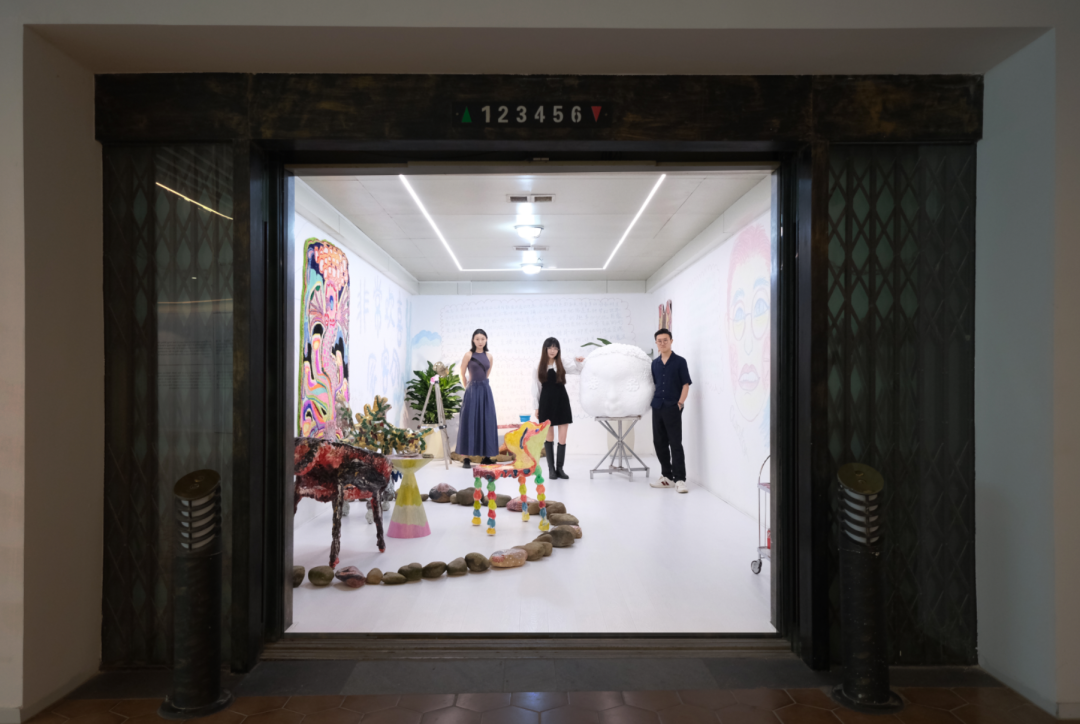
「外滩当代·艺术实验室」首场艺术项目呈现了艺术家杨放的最新个展「非常欢喜会客厅 etc.」。本项目于2024年5月17日在上海百空间·永兴仓库·远东第一梯完美落幕。
「外滩当代·艺术实验室」“远东第一梯”空间是由美国奥的斯公司 (OTIS)设计制造的8吨载重货运电梯。卡车可驶入电梯轿厢,经运载货车自如到达各楼层,最早实现了“门到门”的货运方式。它方便货运装卸,能减少重复人力劳作,节约劳力,故而享有“远东第一梯”之美誉。
“欢喜”是杨放本人和其作品之中所散发出来的气息,而绚丽的色彩和足够童真的形象则是我们在谈到杨放这位艺术家时脑中所蹦现的符号,她就像是某种梦幻世界的游吟诗人,不断给我们讲述着属于那个世界的趣事和记忆。
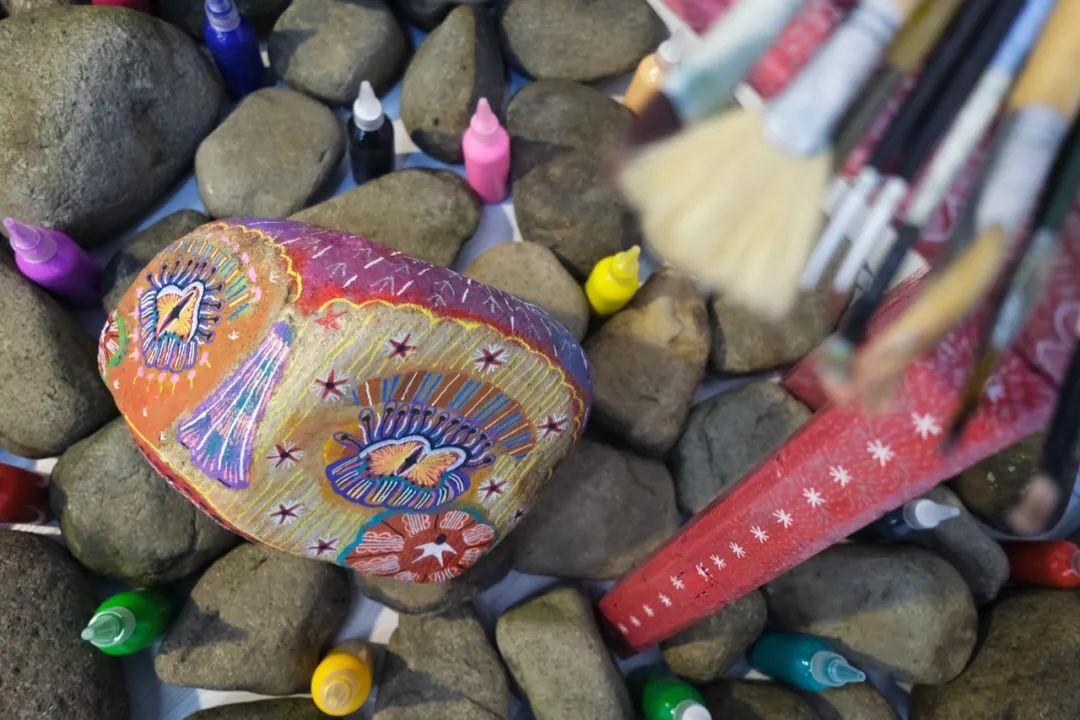
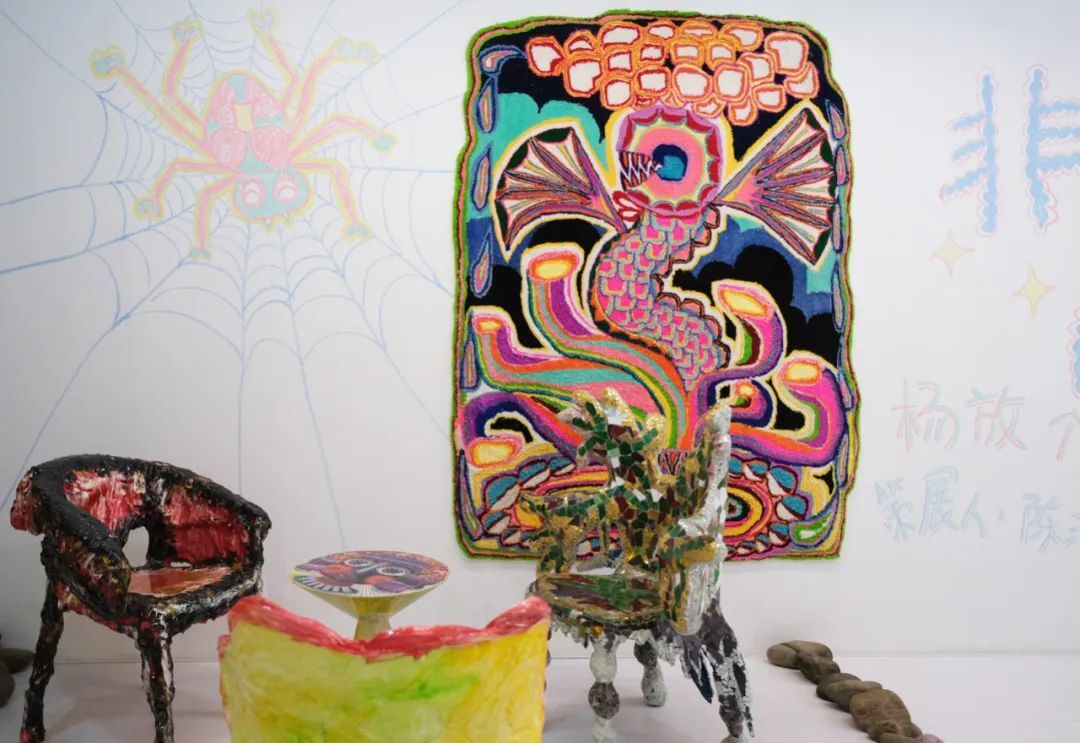
图像是故事的载体,是我们进入那个世界的通道,同时也是转化此岸“负面”的方式,通过将图像“附着”在不同材质的皮肤,被转译的却是它们的内在灵魂——山石变为了“精灵”,桌椅生出情绪成为了“生”着的“物”,这是绘画的魔法,也是艺术的降灵。于是万物都有了“语言”,诉说着 “快乐”和“欢喜”的人和事。
杨放的创作并非理性的静态,而是在行动中跟从感性的回声,这声音是从艺术家个人生命经验中所衍生的,是存在的幻象。通过对幻象的追寻,杨放努力的在展现着世界的正相,这是一种从即兴到普遍的深入,是一种从“阁楼”走入“会客厅”的释然。于是作品和人群在这里相遇了,“欢喜”的意识形象遇到了普遍的人群,在这里没有演出,有的只是一种交流和互生。而在杨放的作品中,“互生”是急迫且必要的,它是建立在平等基础上的讲述和聆听,在其中,艺术家既是一个对内和对外的讲述者也是作品和人群的聆听者,于是创作就变成了一个永无止境的“计划”,是对过去的回望和对未来的期盼。
“非常欢喜会客厅”是“计划”的一个组成部分,是杨放艺术家生涯的休止符,但它也是再次链接的可能性节点。在此前提下,展览将呈现出“可动”的姿态,在一种对话的语境中尝试创造更多的艺术可能。由此,不论是石块还是“用品”,如何创造出艺术的开放性“会客状态”成为了此次展览的核心。“会客厅”是对所有人的“邀请”,是对未来的积极回应,在“欢喜”,“快乐”,“开放”的语境中,叩响久未开启的“心门”。
The first art project of "Bund Contemporary Art Laboratory" presents the artist Yang Fang's latest solo exhibition in 2024, "I am very happy with the living room, etc.". On May 17th, 2024, this project ended perfectly in Shanghai Bai Space Yongxing Warehouse and Far East First Ladder.
"The Bund Contemporary Art Laboratory" and "The First Ladder in the Far East" are 8-ton freight elevators designed and manufactured by OTIS. Trucks can drive into the elevator car and reach all floors freely by carrying trucks, which realized the "door-to-door" freight mode at the earliest. It is convenient for cargo loading and unloading, can reduce repetitive manual labor and save labor, so it enjoys the reputation of "the first ladder in the Far East".
"Joy" is the breath that Yang Fang exudes from himself and his works, while gorgeous colors and childlike images are the symbols that pop up in our minds when we talk about Yang Fang as an artist. She is like bard in a dream world, constantly telling us interesting things and memories that belong to that world.
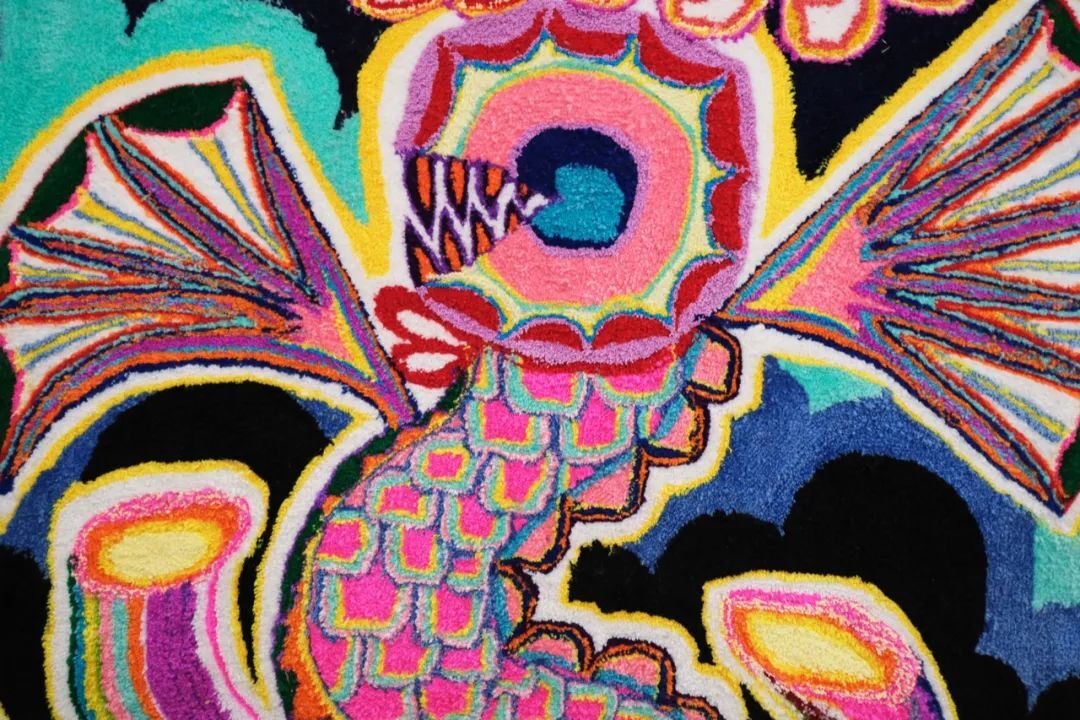
Images are the carrier of stories, the channel for us to enter that world, and also the way to transform the "negativity" of this shore. By attaching images to different materials of skin, what is translated is their inner souls-rocks become "spirits", and the emotions generated by tables and chairs become "living" things, which is the magic of painting and the spiritual spirit of art. So everything has a "language", telling the "happy" and "happy" people and things.
Yang Fang's creation is not rational and static, but follows the perceptual echo in action. This sound is derived from the artist's personal life experience and is an illusion of existence. Through the pursuit of illusion, Yang Fang is trying to show the truth of the world, which is a kind of deepening from improvisation to universality, and a kind of relief from "attic" to "living room". So the work and the crowd met here, and the image of "joy" met the general crowd. There was no performance here, but only an exchange and interaction. In Yang Fang's works, "interaction" is urgent and necessary. It is based on equality in telling and listening, in which the artist is both an internal and external narrator and a listener of works and people, so the creation becomes an endless "plan", a look back on the past and an expectation for the future.
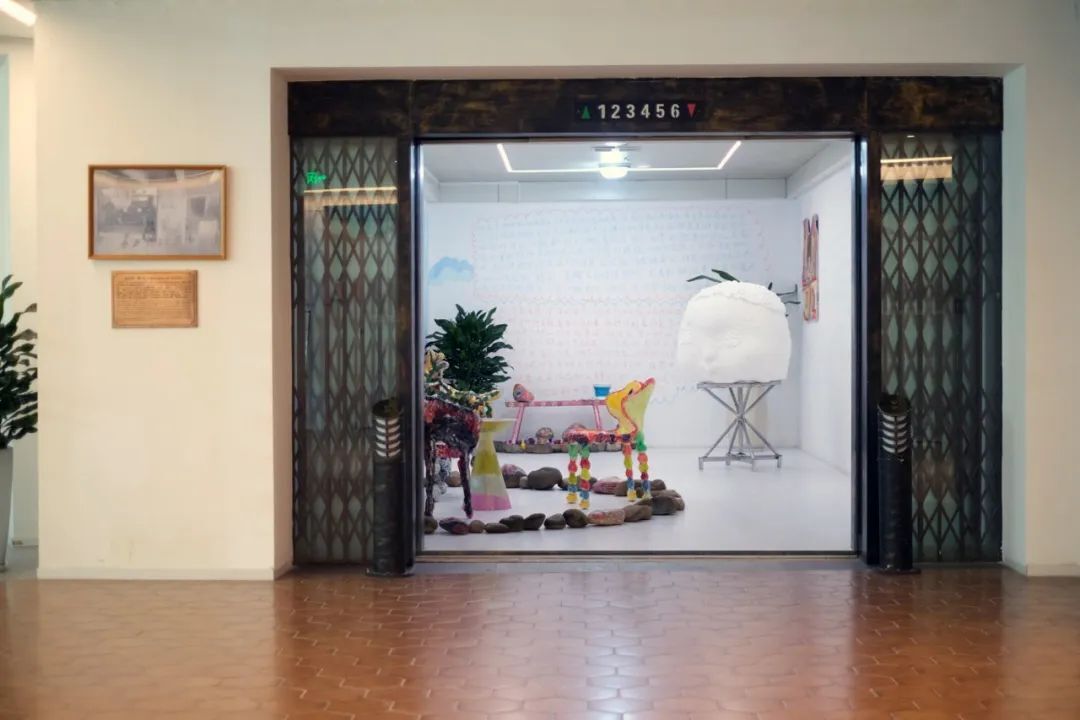
"Very Happy Meeting Room" is an integral part of the "Plan" and the end of Yang Fang's career as an artist, but it is also a possible node for re-linking. On this premise, the exhibition will present a "movable" posture and try to create more artistic possibilities in a dialogue context. Therefore, whether it is stones or "articles", how to create an open "visitor state" of art has become the core of this exhibition. "Meeting room" is an invitation to everyone and a positive response to the future. In the context of "joy", "happiness" and "openness", it knocks on the door of the heart that has not been opened for a long time.